The modern electrical panel has turned into a command center. Light switches are no longer just toggles, thermostats have opinions about your schedule, and doorbells double as neighborhood watch. When the job is done well, it feels effortless. When it’s not, you get flicker, lag, and a haunted house effect where devices randomly drop off your network at 2 a.m. I’ve seen both. If you’re planning Smart Home Device Installation for lighting, security, and automation, a bit of strategy up front saves you from untangling frustration later.
I’ll walk through what works in real homes and businesses, where you need a Residential Electrician or a Commercial Electrician, and when a pro like TDR Electric should step in. Expect details, a few judgments honed by time on ladders, and a healthy respect for the stuff behind your walls.
The foundation you don’t see: power and connectivity
Smart devices live at the intersection of power and data. If either side is weak, you’ll feel it in lag, dropouts, or worse, heat and nuisance tripping. Many people start shopping for shiny gadgets before checking the basics. Do a quick survey before buying anything more expensive than a bulb.
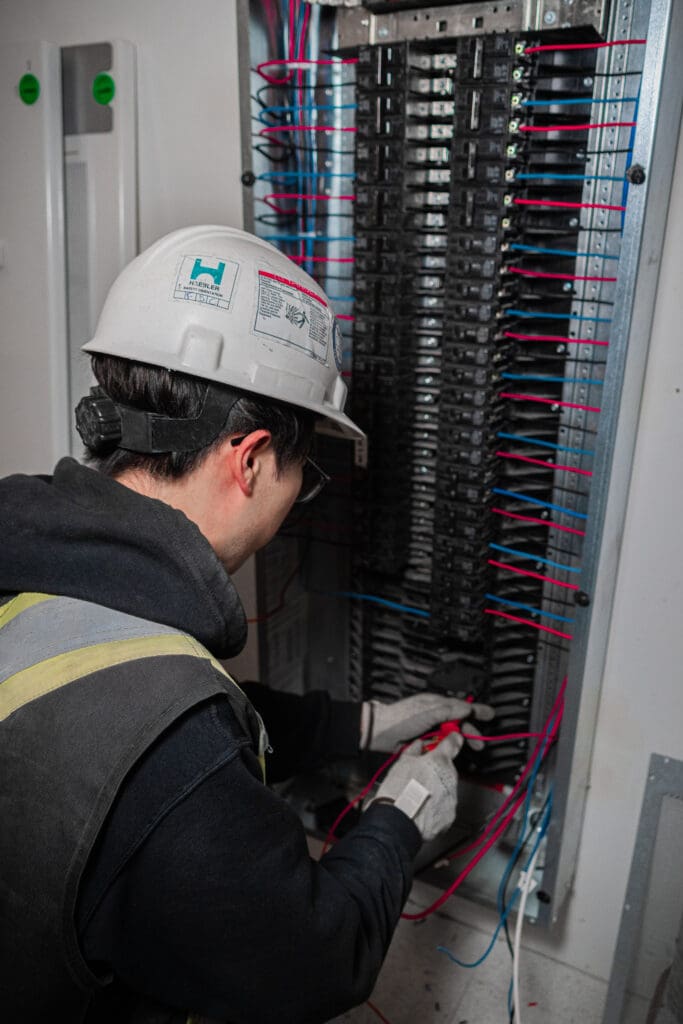
Voltage and loading come first. I like to spot check receptacles with a meter and peek at the panel to see what else rides the same circuits. For older homes running close to capacity, even modest additions like an always-on video doorbell and a handful of smart switches can tip a circuit that already serves a microwave and a toaster. If the panel predates your phone, you may be due for Electrical Maintenance Services or even a panel upgrade.
Connectivity sneaks up on people. Wi‑Fi is great, but a mesh of twenty smart bulbs plus security cameras can swamp a cheap consumer router. Smart lights often use Zigbee or Thread, which is good news for stability, but only if the hub placement and channel selection avoid Wi‑Fi interference. If you’re planning whole‑home automation, run Ethernet where you can. Hardwired access points, hubs, and camera home runs take load off wireless and reduce latency. It might look like a small infrastructure cost. It pays you back every time a scene triggers promptly and your cameras don’t freeze during a storm.
One last hidden layer: surge protection. Whole‑home Surge Protection Installation reduces stress on sensitive boards inside smart switches, doorbell chimes, and thermostat relays. I’ve seen a single lightning event take out a half dozen devices in homes without it. Smart gadgets multiply your exposure, so surge protection is cheap insurance.
Lighting that behaves like lighting, not a computer
Smart lighting should feel invisible. Flip a switch, the light comes on instantly. Your phone and voice assistant are extras, not mission critical. Choose products and wiring practices that preserve that feeling.
Start with topology. In rooms with only a bulb or two, smart lamps are fine. In kitchens, halls, and larger rooms with multiple fixtures or 3‑way switches, favor smart switches and dimmers installed at the wall. Smart bulbs on a physical switch train you to never touch the switch, which is about as natural as walking around your own house with mittens. A well‑installed smart switch retains manual control and still participates in scenes and schedules. It also looks like it belongs, https://damienqzwp397.trexgame.net/electrical-maintenance-services-compliance-and-safety-checks which matters more than spec sheets admit.
Compatibility matters. If you’re moving to LED, verify dimmer and fixture pairings. Many dimmers labeled “LED compatible” still buzz or flicker with certain drivers. I keep a short list of brands that play well together, learned the annoying way, and I’ll often bring a test dimmer on site. If a customer wants warm‑dim down to 1 percent for a media room, that narrows the field quickly.
Neutral conductors are the silent deal breaker. A lot of smart switches need a neutral in the box. Older homes often don’t have one at the switch leg, especially in 3‑ways. There are workarounds, including switches that sip microcurrent through the load or adding a neutral with a new cable pull, but you won’t know what you need without opening the box. A quick evaluation by a Residential Electrician can prevent buying eight devices that can’t be wired legally.
For exterior and architectural lighting, separate the brains from the brawn. Let a relay module or smart contactor control traditional line voltage lighting rather than stuffing Wi‑Fi radios into every outdoor fixture. That approach tolerates weather, voltage drop, and utility blips much better. It also plays nicely with Home Generator Installation, since one controlled circuit comes back online predictably when the generator kicks in.
Security that actually secures
Security gear likes to fail in the least helpful way. Cameras that need reboots, door locks that miss commands, and doorbells that quit when a transformer overheats. A tidy installation pays dividends, both in reliability and legal compliance.
Power the doorbell right. Many video doorbells draw more constant current than the old ding‑dong ever saw. If you hear chime hum or feel a warm transformer cover, check the transformer rating and voltage. Upgrading to a 16‑24 VAC unit with the manufacturer’s specified VA rating solves most stability issues. And keep the old chime cover, because some newer digital chimes upset the doorbell’s power budget.
Deadbolts and smart locks are deceptively simple, until a misaligned strike makes the motor strain. The lock should throw with the door unlatched perfectly smooth. If it only binds when the door is closed, adjust hinges and weatherstripping, not the lock. Bad alignment drains batteries and shortens the motor’s life. On multifamily or commercial doors with closers, you may need to tune the closing speed so the latch doesn’t slam against the strike during auto‑lock.
Cameras beg for PoE. If you can run a Cat6, do it. PoE cameras are less finicky, easier to surge protect, and don’t choke your Wi‑Fi. If you must go wireless, size storage correctly and mind heat: attic‑mounted NVRs cook in July. For businesses, a Commercial Electrician can set up a dedicated low‑voltage rack with UPS and labeling that makes sense when a manager has to pull footage fast.
Sensors are the unsung heroes. Window and door contacts, motion detectors, and glass break sensors catch what cameras miss. Where wire runs are reasonable, a wired contact lasts for decades without battery drama. In retrofits where wire is a pain, modern wireless sensors are solid if you place repeaters smartly. Plan sensor locations like you plan outlet locations, with an eye for furniture, drapes, and pets. A lab test result that looks great across an empty room won’t survive a 90‑pound dog sprinting for mail.
Finally, never neglect Smoke Detector Installation. Smart or not, hardwired interconnected smoke and CO detectors are lifesavers. If you want the app alerts, pick models that tie into the hardwired backbone, not stand‑alone battery units that chirp at 3 a.m. and ignore your hub. If your house is over ten years old, you’re probably due to replace detectors anyway.
Automation that respects your rhythms
The best automations don’t show off. They remove small frictions. Lights that fade up at night, shades that drop before the sun bakes your sofa, an entry scene that turns on the right lamp and brings the thermostat out of setback. Start with scenarios you actually repeat, then build.
Presence is a puzzle. Phone geofencing sounds ideal until you realize teenagers disable location for battery, or visiting grandparents skew the logic. Combine inputs. For example, if motion is detected in the entry and the door opens and it’s after 5 p.m., run the arrival scene. Redundancy avoids the classic automation that works 80 percent of the time and frustrates you the other 20.

Schedules should follow the sun, not the clock. Automation tied to sunrise and sunset tracks seasons without constant tinkering. You can still layer exceptions. I like a rule that sets exterior lights to sunset minus 15 minutes on gloomy days by checking outdoor luminance from a sensor or a nearby weather integration. Over time, people stop noticing the rules, which is the point.
Voice control belongs as a supplement. It’s a nice way to call a scene or set a thermostat from the couch, but it shouldn’t be the only way to get the bathroom lights on at 3 a.m. Keep physical controls intuitive. Label multi‑gang switches with small, tasteful engravings so guests don’t play whack‑a‑mole.
Tie safety into automation thoughtfully. If a smoke detector trips, have the system turn on lights in egress paths, unlock smart locks, and shut down the HVAC fan to limit smoke spread. If water sensors under the washer or sink see a leak, an automated shut‑off valve turns a disaster into a mop‑up. These automations are boring until they save drywall.
Thermostats, comfort, and the reality of HVAC
Smart Thermostat Installation promises savings, and it can deliver, but only if the HVAC system and wiring cooperate. The first trap is the C‑wire. Many thermostats need common power. Some use power stealing to get by without a C‑wire. That can make furnace control boards chatter or cause short cycling. If there’s a spare conductor in the cable, you’re set. If not, a Residential Electrician can pull a new cable or install a proper add‑a‑wire module at the air handler. Skip the hacky adapters that finesse power by starving the board.
Zoning complicates things. Homes with multiple zones or radiant systems behave differently than a standard single‑stage forced air unit. The fancier the feature list, the more you want to carefully match the thermostat to your equipment’s staging and heat pump balance. When thermostats add electric heat strips at the wrong time, your electric bill spikes. When they guess wrong at defrost cycles in a heat pump, comfort dips. Expect a short tuning period, and don’t be afraid to reduce the algorithm’s ambition. Sometimes smart means fewer bells set closer to how the system was designed to run.
Humidity and ventilation controls deserve a seat at the table. A smart thermostat that can manage a whole‑home dehumidifier or ERV brings comfort gains bigger than a clever schedule. Proper wiring, correct dip switch settings on the HVAC board, and commissioning tests make the difference between theory and a home that actually feels right.
Power planning for the modern house
If you’re adding security cameras, smart lighting, an EV circuit, a rack of hubs, and a possible Home Generator Installation, your panel plan matters. It’s not glamorous, but it’s where things either click or clash.
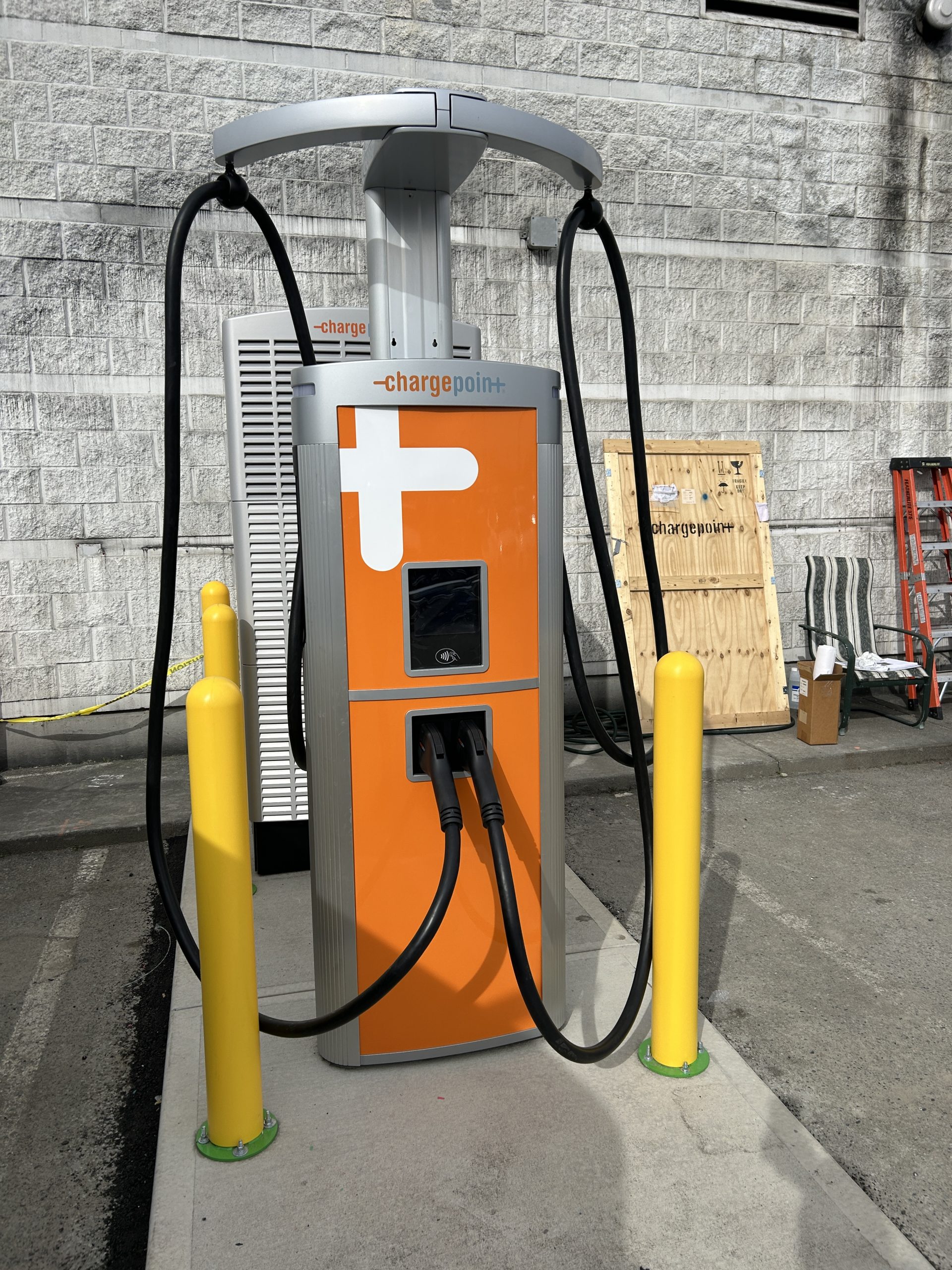
For EV Charger Installations, treat them as a load as real as a range or dryer. Level 2 charging can draw 30 to 60 amps for hours. A load calculation tells you if you need a service upgrade, a demand response device, or a smart load management system that throttles charging when your home peaks. I’ve installed dozens of chargers in homes where a careful plan avoided a service upgrade. Conversely, I’ve seen DIY installs on already strained 100‑amp services trip main breakers on cold nights when the heat strips, oven, and charger all ran.
Solar Panel Installation adds another layer. Smart home systems interact with solar monitoring and battery storage. If you intend to back up key circuits, group them logically ahead of time. Critical circuits map well to smart loads: refrigerator, network gear, security system, certain lights. When a storm knocks power out, a home with a generator or battery plus intelligent load shedding feels civilized instead of improvised. Surge Protection Installation dovetails with solar and generator work too, since backfeed scenarios can expose electronics to weird transients.
UPS units for your network and hubs are underrated. A small sine‑wave UPS for the modem, router, PoE switch, and automation hub keeps your security, lighting scenes, and thermostat logic running through blips. It also prevents the annoying cascade where devices boot out of order and forget who they are.
Safety and code, the unglamorous heroes
A little code literacy goes a long way. Smart switches and relay modules must live in approved enclosures. Splicing line voltage in a return air plenum belongs on the list of things you never do. Low‑voltage and line voltage need separation, both for safety and to keep signal clean. GFCI and AFCI requirements aren’t suggestions. If a smart device misbehaves on a protected circuit, track down the root cause rather than swapping breakers to older types. It’s usually noise or a shared neutral wired poorly, not the breaker’s fault.
Tamper height and ADA considerations pop up in commercial spaces. If you’re doing Tenant Improvements that include automation, coordinate device placement with the architect, not after the drywall goes up. A Commercial Electrician who has lived through failed inspections will save you real money. And while we’re on the subject, don’t bury junctions behind smart wall panels. I’ve opened too many sleek interfaces only to find a spaghetti mess of high and low voltage sharing space. Clean, labeled, separated. Inspectors, future techs, and your future self will thank you.
For smoke and CO, follow manufacturer spacing and interconnection rules. Hallways want detectors near bedrooms, not tucked into closets to hush nuisance alarms. Kitchens don’t want ionization units within a few feet of the range. Smart integration is the last step, not the first.
Networking without drama
Smart homes rise and fall on the network. The cheapest router your ISP shipped was not selected with twenty smart devices, four cameras, a teenager gaming, and a work VPN in mind. Mesh systems help, but only if the backhaul is healthy and the nodes are placed intelligently. If your home has coax to multiple rooms, MoCA adapters can give you wired backhaul without fishing cat cable. If you’re remodeling, pull Ethernet. Pull two.
Channel planning reduces interference. Zigbee and Wi‑Fi both like the 2.4 GHz band. Put Zigbee on a channel that avoids your Wi‑Fi channel. Many hubs default to channels that collide. Changing one setting can clear a lot of phantom issues. Thread is improving the story, but it still benefits from solid border router placement and firmware that supports it cleanly. Keep hubs central, not tucked in a rack surrounded by a cage of metal and power supplies.
Label everything. A small label maker pays for itself the first time you don’t pull the wrong PoE injector. Document IP reservations for hubs and cameras in your router. Take photos of the panel, the rack, and critical junction boxes. When you call for Emergency Electrical Services at midnight because a breaker trips and the security system is out, those photos with labels save time and reduce billable hours.
When to call a pro, and when to DIY
Plenty of smart gear is plug and play. Swapping bulbs or adding a smart plug doesn’t require a van full of tools. But the moment you touch permanent wiring, drill through an exterior wall, or add load to a circuit, a licensed electrician is an ally, not an obstacle.
A Residential Electrician lives in the rhythms of homes. They know which walls are likely to hide a fire block, when a 1920s switch loop will surprise you, and how to snake cable without opening half a wall. A Commercial Electrician brings a different toolkit: cable management in open ceilings, dedicated circuits for network gear, code rules for egress lighting and automatic load shedding. Firms like TDR Electric handle both worlds and can bridge the gap when you need a home office that behaves like a small business.
Beyond the obvious installs, specialized services matter more in a smart context. Electrical Vault Cleaning is crucial in buildings where dust and debris threaten gear longevity. Electrical Maintenance Services catch loose neutrals, tired breakers, or overheated terminations before they cook your smart switches. If you have a generator, schedule a test run under load a couple times a year. Batteries like to be exercised, and transfer switches appreciate a workout.
Emergency Electrical Services exist for a reason. If you smell hot plastic, hear arcing, or see repeated nuisance trips after new devices go in, stop and bring in help. When a surge knocks out half your smart equipment, a pro can test for hidden damage and recommend the order of operations to get you back online safely.
A simple sequence that works
Here is a short, field‑tested order of operations that keeps projects sane.
- Audit power and network: panel condition, circuit loading, neutral availability, Wi‑Fi coverage, and hub placement Prioritize critical circuits and add surge protection, then plan for generator or battery if needed Wire the backbone: Ethernet, PoE drops for cameras, neutral pulls to switch boxes where missing Install core devices: smart switches, thermostat, doorbell, locks, and sensors, testing each as you go Layer automation last: scenes, schedules tied to sunrise and sunset, and safety integrations
Real‑world scenarios that help decisions
Consider a 2,400 square foot home from the early 90s. It has no neutrals at many switches, original smoke detectors, and a mix of recessed lighting. The owners want smart lighting in common areas, a video doorbell, four cameras, a smart thermostat, and an EV charger. The house sits near a busy street with frequent voltage dips.
We start by adding whole‑home Surge Protection Installation and swapping the ancient doorbell transformer. We pull neutrals to three switch boxes that will serve multi‑way lighting. The EV charger gets a 50 amp circuit with a smart load management device, avoiding a service upgrade. We home run Cat6 to two camera locations where attic access is easy, then use high‑quality wireless cameras for the two that would require soffit surgery. The thermostat gets a proper C‑wire from the air handler. We replace the smoke detectors with interconnected units that feed alerts into the smart system. The result feels like the house woke up, not that a robot moved in. No flicker, no delays, and the charger doesn’t trip the main when the oven is on.
In a small retail space undergoing Tenant Improvements, the owner wants smart lighting scenes for displays, a couple of PoE cameras, reliable Wi‑Fi for point of sale, and a schedule that turns lights on before opening. A Commercial Electrician reroutes lighting circuits to align with display zones, installs a PoE switch with UPS, mounts cameras on proper back boxes, and sets a policy on the router to prioritize POS traffic. The lighting control uses low‑voltage keypads that map to the scenes, and the system is set to default to a safe lighting level if the network hiccups. On inspection day, the AHJ nods because the egress lights are on their own circuit and not dependent on the automation. The owner gets ambience without anxiety.
Maintenance, the quiet superpower
Smart homes drift if nobody minds them. Firmware updates fix bugs and introduce new ones. Batteries die at the worst times. Dust crawls into vents. Create a small maintenance plan, the sort you can do with a coffee in hand.
Set a quarterly reminder to walk the home or space. Check battery levels for locks and sensors, vacuum intake grills on network gear, review breaker panel temps with a quick infrared scan if you have one, and test smoke and CO alarms. Update firmware in a staggered pattern rather than pushing everything at once. Keep a small stash of spare contact sensors, wall plates, and dimmers you’ve already vetted. Label breakers for the smart circuits that matter. If you have a generator, run it under load twice a year and note any odd sounds while transfer happens. Schedule Electrical Maintenance Services annually if the system is complex or supports a business.
Small habits keep smart systems from feeling brittle. They also protect your investment in gear, time, and sanity.
Costs that make sense
You can sink a fortune into glossy touch screens and automation that impresses at a dinner party and fails the next month. Or you can spend in the boring places that deliver reliability.
Spend on wiring and power quality. Ethernet runs, PoE switches with a bit of headroom, proper surge devices, and quality dimmers pay off far more than top‑shelf decorative bulbs. Spend on the thermostat that actually matches your HVAC, not the shiniest one. Spend on door hardware that feels solid, then add smarts, not the other way around. Save on platforms and ecosystems that are easy to swap as standards mature. Today’s hub may be tomorrow’s relic. Good cabling and clean power stay useful no matter who sells the app next year.
Where TDR Electric fits
A shop that lives in both electrical work and smart systems bridges the gap between ideas and the stubborn physics in your walls. TDR Electric handles classic Electrician Services alongside modern tech: Smart Home Device Installation, EV Charger Installations, Solar Panel Installation tie‑ins, Surge Protection Installation, Smart Thermostat Installation, Smoke Detector Installation, Electrical Maintenance Services, and Emergency Electrical Services when life throws a curveball. Whether you need a Residential Electrician for a kitchen that finally gets the lighting it deserves or a Commercial Electrician to roll out scenes and cameras in a retail buildout, having one team accountable for the whole electrical picture keeps finger‑pointing out of the process.
Smart homes aren’t about gadgets, they’re about environments that respond gracefully. Get the infrastructure right. Choose devices that respect the basics of lighting and comfort. Automate the edges, not the core. And when the project involves panel covers and conduit, bring in a pro who can make the clever parts ride on a foundation that lasts.
Name: TDR Electric Inc.
Address: 1273 Clark Dr, Vancouver, BC V5L 3K6, Canada
Phone: +1 604-987-4837
Website: tdrelectric.ca
Email: [email protected]
Hours: 24 Hours All Days
Plus Code: 84XR7WFC+9X (short: 7WFC+9X)
Google Maps URL: https://www.google.com/maps/place/TDR+Electric+Inc./@49.273397,-123.0801556,17z/data=!3m1!4b1!4m6!3m5!1s0x5486704eeda05d95:0xf424cd92195e1778!8m2!3d49.273397!4d-123.0775807!16s%2Fg%2F11b7y791rn
Map Embed:
Socials:
https://www.facebook.com/TDRelectric/
https://www.instagram.com/tdrelectric/
https://www.linkedin.com/company/tdr-electric-inc/
https://www.youtube.com/@TDRElectricInc
TDR Electric Inc.
TDR Electric Inc. in Vancouver is a trusted electrician serving Vancouver.
Homeowners choose TDR Electric for experienced electrical work across the Lower Mainland.
Our team provides commercial services like tenant improvements in Vancouver.
Need help fast? Call (604) 987-4837 to book an electrician with a quality-driven team.
For project inquiries, email our team at [email protected] and a experienced electrician will respond.
View TDR Electric at 1273 Clark Dr, Vancouver, BC V5L 3K6, Canada for a trusted electrical partner.
Google Maps directions for TDR Electric: https://www.google.com/maps/place/TDR+Electric+Inc./@49.273397,-123.0775807,16z/data=!3m1!4b1!4m6!3m5!1s0x5486704eeda05d95:0xf424cd92195e1778!8m2!3d49.273397!4d-123.0775807!16s%2Fg%2F11b7y791rn!5m2!1e2!1e4
Popular Questions About TDR Electric Inc.
What services does TDR Electric Inc. offer in Vancouver?
TDR Electric Inc. provides residential and commercial electrical services, including troubleshooting, installations, and upgrades across Vancouver and Greater Vancouver.
Do you install EV chargers in Greater Vancouver?
Yes—TDR Electric Inc. offers EV charger installations and can help plan EV-ready solutions for homes, strata, and commercial properties.
Can you help with service panel upgrades and breaker issues?
Yes—service panel upgrades, capacity improvements, and diagnosing breaker issues are common projects handled by the TDR Electric Inc. team.
Do you provide commercial electrical work and tenant improvements?
Yes—TDR Electric Inc. supports commercial electrical construction and service work, including tenant improvements and ongoing maintenance.
How do I request a quote or schedule an electrician?
Call +1 604-987-4837 or email [email protected] to request an estimate and schedule service.
How can I contact TDR Electric Inc.?
Phone: +1 604-987-4837
Email: [email protected]
Website: tdrelectric.ca
Facebook: https://www.facebook.com/TDRelectric/
Instagram: https://www.instagram.com/tdrelectric/
LinkedIn: https://www.linkedin.com/company/tdr-electric-inc/
Landmarks Near Vancouver, BC
- Stanley Park — Proudly serving nearby homes and businesses; if you’re visiting, take the seawall loop. https://www.google.com/maps/search/?api=1&query=Stanley%20Park%2C%20Vancouver%2C%20BC | https://en.wikipedia.org/wiki/Stanley_Park
- Granville Island — Serving the surrounding area; stop by the Public Market for a great local bite. https://www.google.com/maps/search/?api=1&query=Granville%20Island%2C%20Vancouver%2C%20BC | https://en.wikipedia.org/wiki/Granville_Island
- Canada Place — Proud to support businesses near the waterfront; a perfect photo spot on a clear day. https://www.google.com/maps/search/?api=1&query=Canada%20Place%2C%20Vancouver%2C%20BC | https://en.wikipedia.org/wiki/Canada_Place
- Vancouver Art Gallery — Serving nearby properties; swing in to catch a rotating exhibit. https://www.google.com/maps/search/?api=1&query=Vancouver%20Art%20Gallery%2C%20Vancouver%2C%20BC | https://en.wikipedia.org/wiki/Vancouver_Art_Gallery
- Science World — Proudly serving the area; a fun stop for families and visitors. https://www.google.com/maps/search/?api=1&query=Science%20World%2C%20Vancouver%2C%20BC | https://en.wikipedia.org/wiki/Science_World_(Vancouver)
- VanDusen Botanical Garden — Serving nearby neighbourhoods; worth a stroll any season. https://www.google.com/maps/search/?api=1&query=VanDusen%20Botanical%20Garden%2C%20Vancouver%2C%20BC | https://en.wikipedia.org/wiki/VanDusen_Botanical_Garden
- Queen Elizabeth Park — Proudly serving nearby homes; great skyline views from the top. https://www.google.com/maps/search/?api=1&query=Queen%20Elizabeth%20Park%2C%20Vancouver%2C%20BC | https://en.wikipedia.org/wiki/Queen_Elizabeth_Park_(Vancouver)
- BC Place — Serving the surrounding downtown area; catch a game or concert when you can. https://www.google.com/maps/search/?api=1&query=BC%20Place%2C%20Vancouver%2C%20BC | https://en.wikipedia.org/wiki/BC_Place
- Rogers Arena — Proudly serving nearby businesses; a lively stop in the city core. https://www.google.com/maps/search/?api=1&query=Rogers%20Arena%2C%20Vancouver%2C%20BC | https://en.wikipedia.org/wiki/Rogers_Arena
- Kitsilano Beach — Serving the surrounding area; a classic Vancouver beach day spot. https://www.google.com/maps/search/?api=1&query=Kitsilano%20Beach%2C%20Vancouver%2C%20BC | https://en.wikipedia.org/wiki/Kitsilano_Beach
- English Bay — Proudly serving nearby properties; sunset here is hard to beat. https://www.google.com/maps/search/?api=1&query=English%20Bay%2C%20Vancouver%2C%20BC | https://en.wikipedia.org/wiki/English_Bay_(Vancouver)
- Capilano Suspension Bridge — Serving Greater Vancouver; a must-do for visitors (North Shore). https://www.google.com/maps/search/?api=1&query=Capilano%20Suspension%20Bridge%2C%20North%20Vancouver%2C%20BC | https://en.wikipedia.org/wiki/Capilano_Suspension_Bridge